Sudden breathlessness is a symptom that should never be ignored.
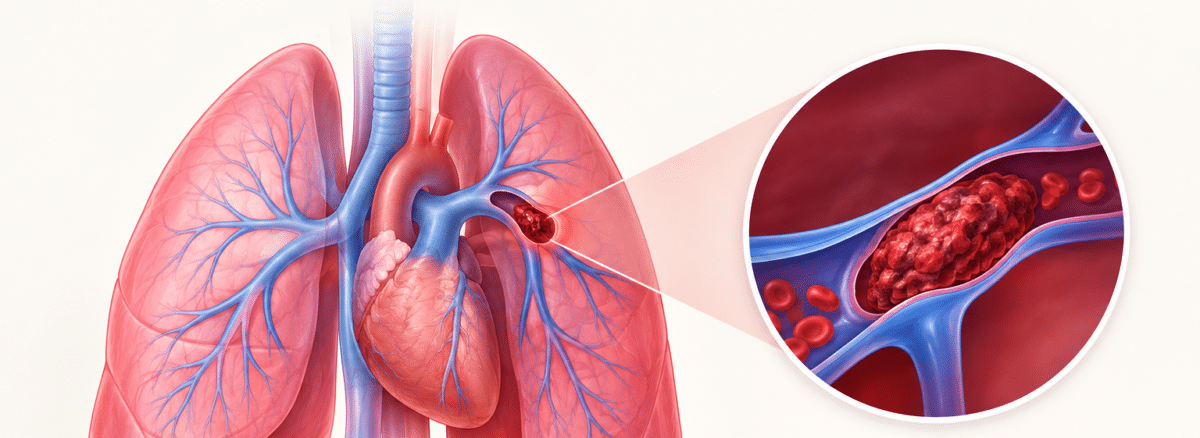
While breathing difficulty can occur because of asthma, infections, allergies or other respiratory conditions, one potentially serious cause is pulmonary embolism (PE)—a condition in which a blood clot blocks a blood vessel supplying the lungs.
Pulmonary embolism can develop suddenly and may require urgent medical attention. Recognising the warning signs and understanding the risk factors can help people seek appropriate care without delay.
What Is a Pulmonary Embolism?
A pulmonary embolism occurs when a blood clot, usually originating in a deep vein of the leg or pelvis, travels through the bloodstream and becomes lodged in a blood vessel in the lungs.
The clot can partially or completely obstruct blood flow through the pulmonary circulation.
The severity of a pulmonary embolism can vary considerably. Some cases may cause relatively mild symptoms, while a large or strategically located clot can place significant strain on the heart and may become life-threatening.
How Does a Blood Clot Reach the Lungs?
A common source is deep vein thrombosis (DVT).
DVT occurs when a blood clot forms in a deep vein, most commonly in the leg.
Part of the clot can break away and travel through the veins toward the heart. From there, it can enter the pulmonary arteries and obstruct blood flow in the lungs.
This is why symptoms involving the legs and sudden respiratory symptoms can sometimes be connected.
What Are the Symptoms of Pulmonary Embolism?
Symptoms can appear suddenly, although the presentation can vary.
Common symptoms may include:
- Sudden shortness of breath
- Chest pain, particularly pain that may worsen with deep breathing
- Rapid breathing
- Rapid heartbeat
- Unexplained dizziness or light-headedness
- Cough
- Coughing up blood in some cases
- Anxiety or a feeling that something is seriously wrong
Some people may also have symptoms suggestive of a DVT, such as:
- Swelling in one leg
- Leg pain or tenderness
- Warmth over the affected area
- Redness or discoloration
Not everyone with pulmonary embolism will have all of these symptoms.
When Is Sudden Breathlessness an Emergency?
Sudden unexplained breathlessness accompanied by chest pain, fainting, severe dizziness, coughing up blood or a very rapid heartbeat requires urgent medical assessment.
A pulmonary embolism cannot be diagnosed reliably based on symptoms alone.
If severe symptoms develop, emergency medical care should be sought rather than waiting for a routine appointment.
Who Is at Higher Risk of Pulmonary Embolism?
Pulmonary embolism can occur in different people, but certain situations can increase the risk of blood clots.
- Prolonged Immobility
Long periods of immobility can slow blood circulation in the legs.
Examples include:
- Long-distance travel
- Prolonged bed rest
- Hospitalisation
- Limited mobility after illness or surgery
The risk depends on the individual’s overall health and other risk factors.
- Recent Surgery or Hospitalisation
Some surgical procedures and periods of hospitalisation can increase the risk of developing venous blood clots.
Doctors may therefore assess clotting risk before and after certain procedures.
- Previous DVT or Pulmonary Embolism
People who have previously experienced a venous blood clot may have an increased risk of developing another clot.
- Certain Medical Conditions
Some medical conditions can increase the tendency for blood to clot.
These include certain cancers and disorders associated with increased blood clotting.
- Pregnancy and the Postpartum Period
Pregnancy changes the body’s blood-clotting system and increases the risk of venous thromboembolism.
The risk also remains elevated for a period after delivery.
- Hormonal Medicines
Certain estrogen-containing hormonal medicines can increase the risk of blood clots in some individuals.
Anyone taking such medication should discuss individual risk factors with their doctor.
- Smoking and Other Risk Factors
Smoking can contribute to cardiovascular and vascular risk, particularly when combined with other risk factors.
Age, obesity and certain inherited or acquired clotting disorders may also influence an individual’s overall risk.
Can Pulmonary Embolism Happen Without Leg Pain?
Yes.
Although DVT may cause leg swelling or pain, some people with pulmonary embolism may not notice obvious symptoms from the original clot.
Therefore, the absence of leg pain does not rule out pulmonary embolism.
How Is Pulmonary Embolism Diagnosed?
Pulmonary embolism requires medical evaluation.
A doctor may begin with:
Medical History and Examination
The doctor will assess symptoms, medical history and potential risk factors.
Oxygen Saturation and Vital Signs
Heart rate, blood pressure, respiratory rate and oxygen saturation can provide important clinical information.
Blood Tests
A D-dimer test may be useful in selected patients when pulmonary embolism is being considered. It is not appropriate as a stand-alone diagnostic test for everyone.
CT Pulmonary Angiography
CT pulmonary angiography is commonly used to visualise the pulmonary arteries and identify a clot when clinically appropriate.
Ultrasound of the Legs
A Doppler ultrasound may be performed when a DVT is suspected.
Other Cardiac or Imaging Tests
Depending on the patient’s condition, an ECG, echocardiogram or other investigations may be required to assess the effect of a suspected pulmonary embolism on the heart and circulation.
The appropriate tests depend on the individual’s clinical presentation and estimated risk.
How Is Pulmonary Embolism Treated?
Treatment depends on the severity of the condition and the patient’s overall health.
Anticoagulant Medicines
Anticoagulants, commonly called blood thinners, are an important part of treatment for many patients with pulmonary embolism.
They help prevent existing clots from growing and reduce the risk of additional clots forming.
They do not simply dissolve a clot immediately; instead, the body’s natural processes gradually break down the existing clot.
Clot-Dissolving Treatment
In selected patients with severe or life-threatening pulmonary embolism, medicines known as thrombolytics may be considered to rapidly dissolve the clot.
These treatments carry significant bleeding risks and are therefore reserved for appropriate situations.
Catheter-Based Procedures
In selected cases, specialised catheter-based treatments may be considered to remove or break up a clot.
The treatment approach depends on the severity of the embolism, haemodynamic status, bleeding risk and other individual factors.
Can Pulmonary Embolism Be Prevented?
Not every pulmonary embolism can be prevented, but reducing avoidable risk factors can help.
Depending on your circumstances, preventive measures may include:
- Moving regularly during prolonged travel
- Following medical advice after surgery
- Staying active when medically appropriate
- Taking prescribed preventive anticoagulants when indicated
- Managing medical conditions that increase clotting risk
- Discussing personal clotting risk before starting certain hormonal medicines
People at high risk should follow the prevention plan recommended by their healthcare team rather than self-starting blood-thinning medication.
Pulmonary Embolism vs Other Causes of Breathlessness
Breathlessness can have many causes.
| Symptom/Condition | Possible Features |
| Pulmonary embolism | Sudden breathlessness, chest pain, rapid heartbeat |
| Asthma | Wheezing, chest tightness, episodic breathlessness |
| Respiratory infection | Cough, fever, phlegm and breathing difficulty |
| Pneumonia | Fever, cough, chest discomfort and breathlessness |
| Heart-related conditions | Breathlessness, swelling and reduced exercise tolerance |
These symptoms can overlap considerably. A person should not attempt to diagnose pulmonary embolism based on symptoms alone.
Frequently Asked Questions
Is pulmonary embolism always life-threatening?
No. Severity varies considerably. However, pulmonary embolism can become life-threatening, particularly when a large clot significantly obstructs blood flow or causes strain on the heart.
Can a healthy person develop pulmonary embolism?
Yes. Although certain risk factors increase the likelihood, pulmonary embolism can occasionally occur without an obvious risk factor.
Can pulmonary embolism cause sudden chest pain?
Yes. Chest pain can occur and may become more noticeable with deep breathing. Sudden unexplained chest pain with breathlessness requires urgent assessment.
Does normal oxygen saturation rule out pulmonary embolism?
No. Oxygen saturation can be normal in some patients, particularly in less severe cases. A normal reading does not by itself exclude pulmonary embolism.
Can pulmonary embolism be treated successfully?
Many pulmonary embolisms can be effectively treated, particularly when diagnosed promptly. Treatment depends on the severity and the individual’s medical circumstances.
Should I take aspirin if I suspect a blood clot?
Do not self-treat a suspected pulmonary embolism with aspirin or anticoagulants. Seek appropriate medical evaluation because the correct treatment depends on the diagnosis and clinical situation.
When Should You Seek Immediate Medical Care?
Seek emergency medical attention for:
- Sudden or severe difficulty breathing
- Sudden chest pain
- Fainting or near-fainting
- Coughing up blood
- Severe unexplained dizziness
- Very rapid heartbeat associated with breathing difficulty
A pulmonary embolism is a medical emergency in some cases, and prompt assessment is important.
Conclusion
Pulmonary embolism is a potentially serious condition caused by a blood clot obstructing blood flow in the lungs. Its symptoms can overlap with other respiratory and cardiac conditions, which makes appropriate medical evaluation important.
Understanding risk factors and recognising warning signs—particularly sudden unexplained breathlessness, chest pain, fainting or coughing up blood—can help people seek urgent care when necessary.
If you experience unexplained or sudden breathing difficulties, consult a qualified medical professional for appropriate assessment rather than attempting to determine the cause yourself.
Dr. Sheetal Chaurasia, Senior Consultant Pulmonologist in Whitefield, Bengaluru, provides evaluation and management for a broad range of respiratory and pulmonary conditions, including pulmonary vascular disorders.