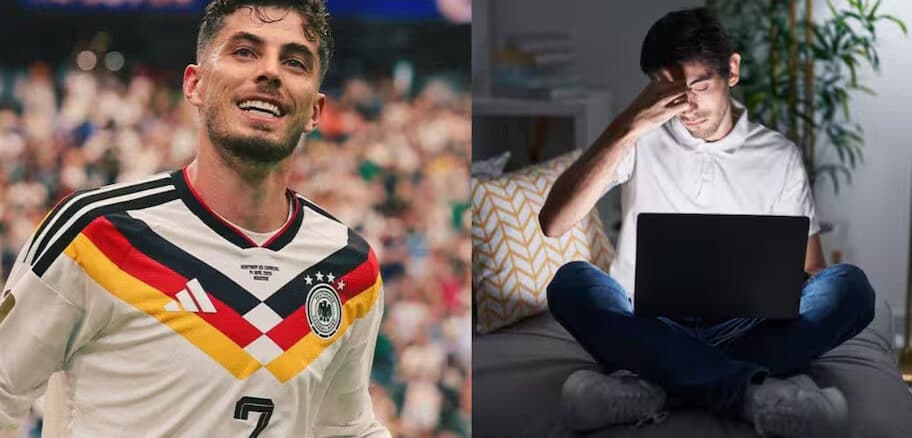
FIFA World Cup 2026: Late-night FIFA matches are turning excitement into sleep loss, raising concerns about fans’ health and daily performance. Doctors warn that regular sleep disruption can lead to stress, fatigue, and long-term health risks. But despair not, you can still enjoy watching your favourite footballers in action if you follow some smart tips.
FIFA World Cup 2026: FIFA tournaments do something for Indian football fans. Nights flip, and schedules collapse. People who’d normally be asleep by 11 pm are wide awake at 2 am, snacks in hand, watching a match being played thousands of miles away. With the FIFA World Cup 2026 being held in the US, the sleep schedule of Indian football fans have gone for a toss. While the passion for the game is understandable, doctors warn that this habit of missing sleep regularly can slowly affect both physical and mental health.
Sleep challenge Indian FIFA fans are facing
The “sleep vs sport” problem isn’t just about feeling groggy the next morning. According to Dr Sheetal Chaurasia, Consultant – Pulmonary Medicine, Manipal Hospital Whitefield, Bengaluru, “Sleep is essential for the body and the brain to function at their best, but is also required to heal the body. Short duration of sleep deprivation also causes reduced immunity and hormonal imbalance. This effect can be combated by prioritising short naps and extending sleep time.” Adults need 7 to 9 hours of sleep daily. Sleep deprivation, even for a few days, can cause a person to be sluggish and unfocused. Not only will it cause negative feelings of irritability, but effects daily functions like work and school, says Dr Chaurasia.
What sleep deprivation actually does to the body
Sleep deprivation can impact an individual’s physical health. “Research has revealed that sleep deprivation could result in a rise in stress hormone levels, high blood pressure, low immune function, and medical problems such as obesity, diabetes, and cardiovascular diseases over time. The nights during which you stay awake to watch a game may not only involve unhealthy eating but also the consumption of caffeine, which may affect sleep and overall health adversely,” says Dr Chaurasia.
The importance of sleep on physical and mental health can’t be stressed enough. According to Dr Basavaraj S Kumbar, Consultant- Internal Medicine, Aster Whitefield Hospital, “Sleep isn’t just a time of rest. It is one of the most vital biological functions that keep our memory, learning, mood regulation, immune system, and heart healthy. After fans stay up late to watch the matches and then get up early for work or other daily activities, they end up getting what is called “sleep debt.” This can be the cause of tiredness during the day, shorter focus span, bad temper, slow reactions, and lower efficiency.”
Dr Kumbar adds that the consequences of sleep deprivation are quite serious, yet usually, they don’t come out before our very eyes. “It is enough only to deprive oneself of sleep for a couple of nights to lose the ability to make good decisions, increase the craving for unhealthy food, and disrupt the hormonal balance of the body. And that, sleep deprivation raises the level of stress hormones, can change one’s mood, and hinder the natural healing mechanisms of the body. When it comes to persons who already have some diseases, such as hypertension, diabetes, anxiety, or heart disease, persistent sleep interruption can result in the aggravation of symptoms and lead to even more serious health consequences,” explains Dr Kumbar.
How to watch late-night matches without impacting health
So does this mean you have to choose between your favourite sport and health? Not necessarily, as experts say some smart tactics can help football enthusiasts to enjoy the tournament.
Dr Kumbar points out that supporters of football ought to learn how to be resourceful instead of merely sacrificing their sleep altogether. “For example, short naps can be taken during the day, caffeine intake should be limited and avoided in the late evening, a regular sleep pattern should be followed as much as possible, and rest should be made a priority on the days when no matches are scheduled. Also, drinking enough water and trying to stay away from screens immediately after the game can also be considered as ways to aid in recovery,” says Dr Kumbar.
Dr Chaurasia agrees it is not necessary for football fans to quit what they love. She says they can avoid problems with disrupted circadian rhythms and sleep deprivation through simple solutions such as “reducing caffeine consumption in the evening hours, sleeping whenever they can, drinking enough water, and getting enough sleep when there are no matches.”