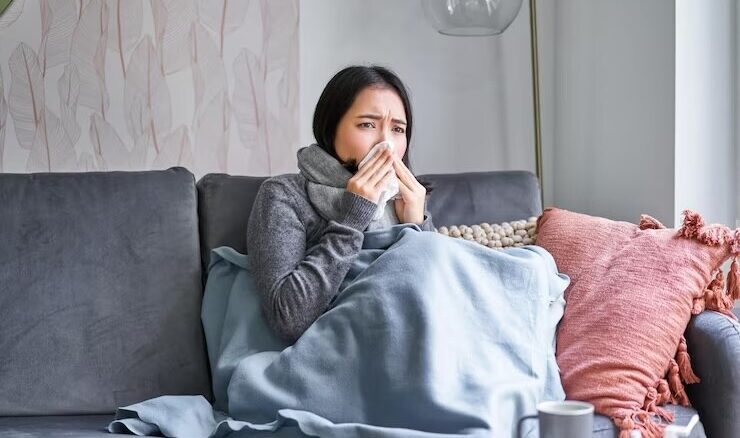
When people think about air pollution, they often imagine vehicle emissions, industrial smoke, and outdoor smog. However, what many people don’t realize is that indoor air pollution can sometimes be more harmful than outdoor pollution. Since most individuals spend nearly 80–90% of their time indoors—whether at home, in offices, schools, or shopping centers—the quality of indoor air plays a critical role in respiratory health.
In rapidly growing urban cities like Bangalore, modern lifestyles, poor ventilation, air conditioning systems, household cleaning products, cooking fumes, dust mites, mold, and indoor allergens contribute significantly to poor indoor air quality.
As a leading pulmonologist in Bangalore, Dr. Sheetal Chaurasia frequently sees patients suffering from chronic cough, asthma flare-ups, allergies, recurrent respiratory infections, and breathing difficulties that are linked to indoor air pollution exposure.
This comprehensive guide explains the causes, symptoms, health effects, prevention strategies, and when to seek expert pulmonary care.
What Is Indoor Air Pollution?
Indoor air pollution refers to the contamination of air inside homes, workplaces, and enclosed environments by harmful particles, gases, chemicals, and biological pollutants.
Unlike outdoor pollution, indoor pollutants often remain trapped within enclosed spaces, resulting in prolonged exposure.
Common indoor pollutants include:
- Dust and dust mites
- Pet dander
- Mold spores
- Pollen
- Tobacco smoke
- Cooking fumes
- Incense and mosquito coil smoke
- Volatile Organic Compounds (VOCs)
- Household cleaning chemicals
- Air fresheners
- Paint fumes
- Building materials
- Poorly maintained air conditioning systems
Over time, exposure to these pollutants can negatively affect lung function and overall health.
Why Indoor Air Pollution Is a Growing Concern in Bangalore
Bangalore’s urban development has led to increased construction activity, traffic congestion, and densely populated residential areas.
Several factors contribute to poor indoor air quality:
- Limited Ventilation
Modern homes often prioritize energy efficiency, resulting in reduced natural airflow.
- Air Conditioning Dependence
Many offices and apartments remain closed throughout the day, allowing pollutants to accumulate indoors.
- Construction Dust
Continuous construction projects release fine particles that enter homes and workplaces.
- Humidity and Mold Growth
Bathrooms, kitchens, and poorly ventilated areas can encourage mold formation.
- Indoor Allergens
Carpets, curtains, upholstery, and bedding can harbor allergens that trigger respiratory symptoms.
How Indoor Air Pollution Affects Your Lungs
Your respiratory system serves as the body’s primary defense against airborne contaminants. Continuous exposure to indoor pollutants can overwhelm these defenses.
Airway Inflammation
Pollutants irritate the respiratory tract, causing inflammation and narrowing of airways.
Increased Mucus Production
Exposure to dust and allergens can trigger excess mucus formation, leading to persistent coughing and congestion.
Reduced Lung Function
Fine particulate matter can penetrate deep into the lungs, reducing breathing efficiency over time.
Increased Susceptibility to Infections
Poor air quality weakens the respiratory system’s ability to fight infections.
Chronic Respiratory Conditions
Long-term exposure can contribute to chronic lung diseases and worsen existing respiratory conditions.
Respiratory Conditions Linked to Indoor Air Pollution
Asthma
Indoor pollutants are among the most common asthma triggers.
Symptoms include:
- Wheezing
- Chest tightness
- Shortness of breath
- Persistent cough
Allergic Rhinitis
Exposure to dust mites, mold, and pet dander may cause:
- Sneezing
- Runny nose
- Nasal congestion
- Itchy eyes
Chronic Bronchitis
Repeated airway irritation can lead to chronic inflammation and mucus production.
Chronic Obstructive Pulmonary Disease (COPD)
Long-term exposure to indoor smoke and pollutants can worsen COPD symptoms.
Hypersensitivity Pneumonitis
An immune-related lung condition caused by repeated exposure to mold, fungi, and other environmental allergens.
Recurrent Respiratory Infections
Poor indoor air quality may increase the frequency of colds, sinus infections, and bronchitis.
Warning Signs That Indoor Air Quality May Be Affecting Your Health
You should pay attention to symptoms that occur mainly indoors and improve when you leave the environment.
Common warning signs include:
- Persistent cough
- Frequent throat irritation
- Wheezing
- Breathlessness
- Recurrent allergies
- Headaches
- Fatigue
- Sinus congestion
- Eye irritation
- Difficulty sleeping
If symptoms improve outdoors but worsen indoors, indoor air pollution could be a contributing factor.
Who Is Most Vulnerable?
Children
Developing lungs are more sensitive to pollutants and allergens.
Elderly Individuals
Age-related changes in lung function increase susceptibility.
Asthma Patients
Even minor pollutant exposure can trigger severe symptoms.
COPD Patients
Indoor irritants may worsen breathing difficulties.
Individuals With Allergies
Allergens commonly found indoors can trigger significant symptoms.
People With Weakened Immunity
Exposure to airborne pathogens and pollutants increases infection risk.
How Indoor Air Pollution Is Diagnosed
A pulmonologist may evaluate both symptoms and environmental exposure history.
Diagnostic tests may include:
Pulmonary Function Tests (PFT)
Measure lung capacity and airflow.
Spirometry
Helps diagnose asthma and COPD.
Allergy Testing
Identifies environmental triggers.
Chest Imaging
Detects underlying lung abnormalities.
Sleep Studies
Recommended if breathing problems worsen during sleep.
Early diagnosis can prevent progression of respiratory disease and improve quality of life.
Practical Ways to Improve Indoor Air Quality
Improve Ventilation
Open windows regularly to allow fresh air circulation.
Use Air Purifiers
HEPA-filter air purifiers help remove fine particles and allergens.
Clean Air Conditioning Systems
Regular maintenance prevents dust and microbial buildup.
Reduce Indoor Dust
Vacuum carpets, upholstery, and curtains frequently.
Control Humidity
Maintain indoor humidity between 30% and 50%.
Avoid Indoor Smoking
Never smoke inside homes or enclosed environments.
Use Natural Cleaning Alternatives
Reduce exposure to harsh chemical cleaners.
Monitor Mold Growth
Promptly address leaks and damp areas.
Choose Low-VOC Products
Use low-emission paints and furnishings whenever possible.
Wash Bedding Frequently
Hot-water washing reduces dust mites and allergens.
The Importance of Regular Lung Health Checkups
Many respiratory conditions develop gradually and remain unnoticed until symptoms become significant.
Regular pulmonary evaluations help:
- Detect early lung disease
- Identify environmental triggers
- Improve asthma control
- Prevent long-term complications
- Optimize lung function
Routine screenings are particularly important for individuals with chronic respiratory symptoms or significant indoor pollutant exposure.
When Should You See a Pulmonologist?
Consult a pulmonologist if you experience:
- Persistent cough lasting more than three weeks
- Recurrent respiratory infections
- Unexplained breathlessness
- Wheezing
- Chest tightness
- Chronic allergies affecting breathing
- Reduced exercise tolerance
- Sleep-related breathing issues
Early intervention often leads to better treatment outcomes.
Expert Pulmonary Care in Bangalore
Dr. Sheetal Chaurasia is a highly experienced pulmonologist in Bangalore specializing in the diagnosis and management of respiratory diseases, asthma, COPD, sleep-related breathing disorders, allergies, chronic cough, and environmental lung conditions.
Through comprehensive evaluation, advanced pulmonary diagnostics, and personalized treatment plans, Dr. Sheetal Chaurasia helps patients achieve better respiratory health and improved quality of life.
If you are experiencing persistent breathing problems, allergies, or unexplained respiratory symptoms, seeking timely consultation can help identify underlying causes and prevent disease progression.
Frequently Asked Questions
Can indoor air pollution be worse than outdoor pollution?
Yes. Indoor pollutants often accumulate in enclosed spaces and may reach concentrations higher than outdoor pollution levels.
Can indoor air pollution cause asthma?
Indoor pollutants can trigger asthma symptoms and may contribute to asthma development in susceptible individuals.
What are the most common indoor air pollutants?
Dust mites, mold spores, pet dander, tobacco smoke, VOCs, cooking fumes, and cleaning chemicals are among the most common indoor pollutants.
Do air purifiers help improve lung health?
HEPA-filter air purifiers can reduce airborne allergens and particulate matter, helping improve indoor air quality.
How do I know if my home has poor air quality?
Persistent allergies, coughing, throat irritation, headaches, and breathing difficulties that worsen indoors may indicate poor air quality.
When should I consult a pulmonologist?
If respiratory symptoms persist for more than a few weeks, recur frequently, or interfere with daily activities, professional evaluation is recommended.
Conclusion
Indoor air pollution is an often-overlooked health risk that can significantly impact respiratory health. From asthma and allergies to chronic lung disease, prolonged exposure to indoor pollutants can affect individuals of all ages. By understanding the sources of indoor pollution and taking proactive measures to improve air quality, you can protect your lungs and overall well-being.
If you are experiencing ongoing respiratory symptoms, consulting Dr. Sheetal Chaurasia, an experienced pulmonologist in Bangalore, can help identify the cause and provide effective treatment tailored to your needs.