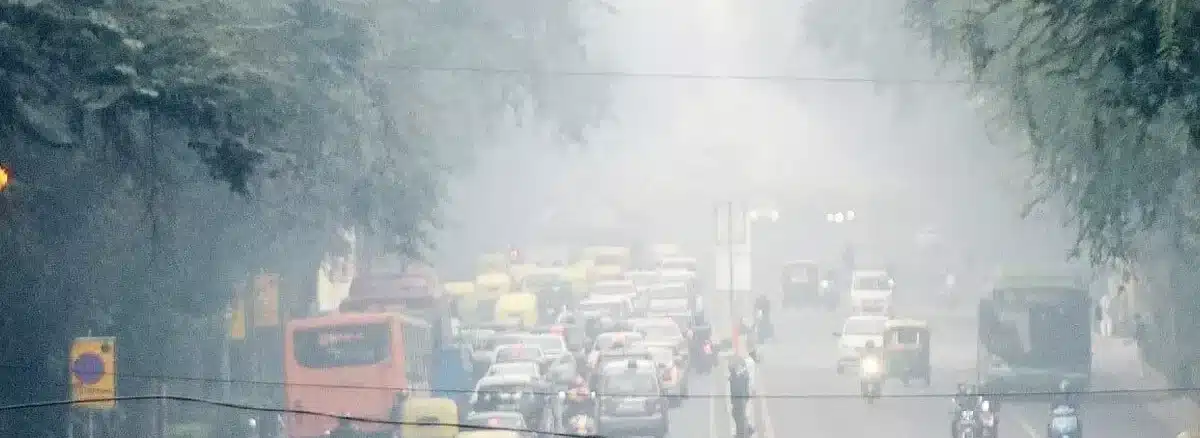
Bangalore is known for its pleasant weather, growing IT sector, and rapidly expanding urban lifestyle. However, rising traffic congestion, construction activity, industrial emissions, and poor air quality have created a serious health concern for residents — especially when it comes to respiratory health.
Over the last few years, pulmonologists across Bangalore have noticed an increase in patients suffering from chronic cough, allergies, asthma flare-ups, breathing difficulties, bronchitis, and other lung-related disorders linked to air pollution exposure. Children, elderly individuals, office workers, and people with pre-existing respiratory conditions are particularly vulnerable.
Understanding how pollution affects the lungs and recognizing early symptoms can help prevent long-term respiratory complications.
What Is Air Pollution?
Air pollution refers to harmful particles and gases present in the atmosphere that negatively impact health. In urban cities like Bangalore, pollution commonly comes from:
- Vehicle exhaust
- Construction dust
- Industrial smoke
- Burning waste
- Diesel generators
- Indoor pollutants
- Cigarette smoke
These pollutants contain microscopic particles known as PM2.5 and PM10 that can enter deep into the lungs and bloodstream.
According to respiratory specialists, prolonged exposure to polluted air increases inflammation inside the airways and weakens lung function over time.
Why Lung Health Is Becoming a Major Concern in Bangalore
Bangalore’s rapid urban development has significantly increased traffic density and construction activity across areas like Whitefield, Marathahalli, Electronic City, Sarjapur Road, ITPL, KR Puram, and Outer Ring Road.
Residents spending long hours in traffic or working in polluted environments may experience recurring respiratory symptoms even if they have never had lung disease before.
Common respiratory issues linked to poor air quality include:
- Asthma
- Allergic bronchitis
- Chronic cough
- COPD
- Sinus allergies
- Lung infections
- Reduced lung capacity
- Breathing difficulty
How Pollution Damages the Lungs
- Airway Inflammation
Pollutants irritate the respiratory tract and trigger inflammation inside the airways, causing coughing, wheezing, and breathing discomfort.
- Reduced Oxygen Exchange
Fine particulate matter enters deep into the lungs and affects oxygen transfer, making breathing less efficient.
- Increased Allergy Sensitivity
Dust, smoke, and chemical particles can worsen allergic reactions and trigger asthma attacks.
- Long-Term Lung Damage
Continuous exposure to polluted air may contribute to chronic respiratory diseases and decline in lung function over time.
Early Signs of Pollution-Related Lung Problems
Many people ignore early symptoms until the condition becomes severe. Common warning signs include:
- Persistent dry cough
- Frequent throat irritation
- Wheezing sounds during breathing
- Chest tightness
- Shortness of breath
- Increased mucus production
- Fatigue during physical activity
- Frequent respiratory infections
If these symptoms occur regularly, it is important to seek evaluation from a pulmonologist.
Who Is Most at Risk?
Children
Children breathe faster than adults, which increases exposure to airborne pollutants. Their developing lungs are highly sensitive to poor air quality.
Elderly Individuals
Older adults often have weaker lung function and reduced immunity, making them more vulnerable to respiratory complications.
Asthma and COPD Patients
People already suffering from lung diseases may experience severe flare-ups during periods of high pollution.
IT Professionals and Daily Commuters
Long working hours, traffic exposure, and indoor air conditioning can worsen respiratory symptoms.
Smokers
Smoking combined with pollution exposure significantly increases lung damage.
Common Pollution-Triggered Respiratory Conditions
Asthma
Air pollution is one of the leading triggers for asthma attacks. Dust particles and smoke irritate sensitive airways, causing wheezing and breathing difficulty.
Chronic Bronchitis
Long-term airway inflammation can result in excessive mucus production and chronic cough.
COPD (Chronic Obstructive Pulmonary Disease)
Pollution exposure may worsen COPD symptoms and reduce lung efficiency.
Allergic Rhinitis and Sinus Problems
Dust and airborne allergens often trigger sneezing, nasal congestion, and sinus inflammation.
Lung Infections
Pollution weakens respiratory defense mechanisms, increasing susceptibility to bacterial and viral infections.
How to Protect Your Lungs from Pollution
Wear a Protective Mask Outdoors
N95 masks can help reduce inhalation of harmful particles, especially during heavy traffic exposure.
Improve Indoor Air Quality
Use proper ventilation and keep indoor spaces free from dust, smoke, and strong chemical odors.
Avoid Outdoor Activity During Peak Traffic Hours
Morning and evening rush hours often have higher pollution levels.
Stay Hydrated
Adequate hydration helps maintain healthy respiratory function.
Eat Antioxidant-Rich Foods
Fruits and vegetables rich in vitamins C and E may help reduce oxidative stress caused by pollution.
Quit Smoking
Smoking further damages the lungs and worsens pollution-related respiratory problems.
Regular Lung Health Checkups
Early screening helps identify respiratory problems before complications develop.
Importance of Pulmonary Evaluation
Many respiratory conditions share similar symptoms. A detailed pulmonary assessment helps determine the exact cause and severity of lung problems.
Diagnostic evaluations may include:
- Pulmonary Function Test (PFT)
- Spirometry
- Chest imaging
- Allergy testing
- Oxygen saturation monitoring
- Sleep-related breathing evaluation if necessary
Early diagnosis improves treatment outcomes and helps prevent disease progression.
Advanced Respiratory Care in Bangalore
Dr. Sheetal Chaurasia is a highly experienced pulmonologist and respiratory medicine specialist associated with Manipal Hospital Whitefield.
With more than 14 years of experience in pulmonary medicine, Dr. Sheetal Chaurasia specializes in the diagnosis and treatment of:
- Asthma
- COPD
- Chronic cough
- Sleep apnea
- Lung infections
- Interstitial Lung Disease (ILD)
- Allergy-related respiratory disorders
- Bronchitis
- Respiratory failure
- Pulmonary critical care
She has completed advanced international training in:
- Interventional Pulmonology
- EBUS (Endobronchial Ultrasound)
- Advanced respiratory procedures
- Sleep-related breathing disorders
Her qualifications include:
- MBBS
- MD Pulmonary Medicine
- DNB Respiratory Diseases
- MRCP (UK)
- DTCD
- European Diploma in Adult Respiratory Medicine
Patients from Whitefield, Brookefield, Marathahalli, ITPL, KR Puram, Varthur, Sarjapur Road, and East Bangalore frequently consult for advanced respiratory evaluation and long-term lung care.
Learn more through Dr. Sheetal Chaurasia Official Website
When Should You Visit a Pulmonologist?
Consult a respiratory specialist if you experience:
- Chronic cough lasting more than 2 weeks
- Repeated wheezing episodes
- Breathlessness during routine activities
- Frequent chest infections
- Persistent throat irritation
- Snoring with breathing difficulty
- Reduced exercise tolerance
Early intervention can help prevent severe lung complications.
Why Preventive Lung Care Matters
Respiratory diseases often develop gradually. Ignoring symptoms may lead to chronic airway damage and reduced lung function over time.
Preventive pulmonary care helps:
- Improve breathing efficiency
- Detect lung disease early
- Reduce asthma attacks
- Improve sleep quality
- Enhance quality of life
- Prevent long-term respiratory complications
Conclusion
Air pollution is becoming one of the biggest threats to respiratory health in Bangalore. Exposure to dust, smoke, traffic emissions, and industrial pollutants can significantly affect lung function and worsen existing respiratory diseases.
Recognizing early symptoms and seeking timely medical care from an experienced pulmonologist can help protect lung health and improve long-term respiratory wellness. Lifestyle modifications, preventive care, and regular pulmonary evaluation are essential for maintaining healthy lungs in an increasingly polluted urban environment.
FAQs
- Can air pollution cause breathing problems even in healthy individuals?
Yes. Long-term exposure to polluted air can irritate the lungs and cause respiratory symptoms even in people without pre-existing lung disease.
- Which pollution particles are most harmful to the lungs?
Fine particles such as PM2.5 are particularly dangerous because they can penetrate deep into the lungs and bloodstream.
- Can pollution worsen asthma?
Yes. Pollution is one of the most common triggers for asthma attacks and airway inflammation.
- How can I improve indoor air quality?
Keep your home dust-free, ensure good ventilation, avoid smoking indoors, and reduce exposure to chemical fumes.
- When should I consult a pulmonologist?
You should seek medical evaluation if you experience persistent cough, wheezing, breathlessness, or frequent respiratory infections.
- Is wearing a mask effective against pollution?
Yes. N95 masks help reduce inhalation of harmful airborne particles during outdoor exposure.