Introduction:
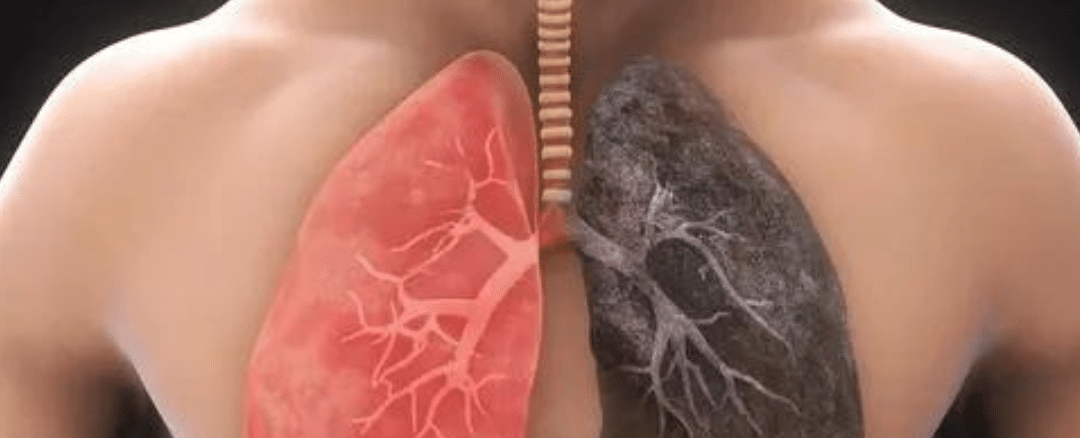
Chronic Obstructive Pulmonary Disease (COPD) is a progressive lung disease that affects millions of people worldwide. It’s a term used to describe a group of lung conditions that includes chronic bronchitis and emphysema, characterized by obstructed airflow to the lungs. COPD can significantly impact an individual’s quality of life, making everyday activities such as walking or climbing stairs challenging. In this article, we will delve into the symptoms, causes, diagnosis, and treatment options for COPD.
What is COPD?
COPD is a chronic inflammatory lung disease that causes obstructed airflow from the lungs. The primary characteristic of COPD is airflow limitation, which is not fully reversible. The airflow limitation is usually progressive and associated with an abnormal inflammatory response of the lungs to noxious particles or gases, most commonly from cigarette smoke.
Symptoms of COPD:
- Shortness of breath, especially during physical activities
- Chronic cough
- Excessive mucus production
- Wheezing
- Chest tightness
- Frequent respiratory infections
- Fatigue
- Unintended weight loss
- Bluish tint to the lips or fingernail beds (cyanosis) in severe cases
Causes and Risk Factors:
- Smoking: Cigarette smoking is the leading cause of COPD. Other forms of tobacco smoking, such as cigar and pipe smoking, can also contribute to COPD.
- Environmental Factors: Long-term exposure to lung irritants such as air pollution, chemical fumes, or dust in the workplace can increase the risk of developing COPD.
- Genetics: Alpha-1 antitrypsin deficiency, a genetic condition, can predispose individuals to COPD, especially in nonsmokers.
- Respiratory Infections: Severe respiratory infections during childhood can increase the risk of developing COPD later in life.
- Asthma: Some individuals with poorly controlled asthma may develop COPD over time.
Diagnosis:
Diagnosing COPD typically involves a combination of medical history, physical examination, lung function tests, and imaging studies such as chest X-rays or CT scans. The most common lung function test used to diagnose COPD is spirometry, which measures how much air you can exhale and how quickly you can exhale it.
Treatment Options:
While there is no cure for COPD, various treatment options are available to manage symptoms, improve quality of life, and slow the progression of the disease. Treatment may include:
- Lifestyle Changes: Quitting smoking is the single most important step in managing COPD. Avoiding exposure to lung irritants and maintaining a healthy lifestyle can also help.
- Medications:
- Bronchodilators: These medications relax the muscles around the airways, making breathing easier. They are usually taken through inhalers.
- Corticosteroids: Inhaled corticosteroids may be prescribed to reduce airway inflammation in some cases.
- Pulmonary Rehabilitation: This comprehensive program includes exercise training, education, and support to improve physical conditioning and quality of life.
- Oxygen Therapy: Supplemental oxygen therapy may be prescribed for individuals with low blood oxygen levels to improve breathing and quality of life.
- Surgery: In severe cases of COPD, surgical options such as lung volume reduction surgery or lung transplantation may be considered.
Contact Dr. Sheetal Chaurasia for Treatment in Whitefield, Bangalore:
For individuals in Whitefield, Bangalore, seeking comprehensive care and treatment for COPD, Dr. Sheetal Chaurasia provides specialized services tailored to the needs of each patient. With expertise in pulmonary medicine, Dr. Chaurasia offers a multidisciplinary approach to managing COPD, focusing on symptom relief, disease management, and improving overall lung health.
Conclusion:
COPD is a chronic lung disease that requires lifelong management. By understanding the symptoms, causes, and treatment options available, individuals with COPD can take proactive steps to manage their condition and improve their quality of life. If you or a loved one is experiencing symptoms of COPD, don’t hesitate to seek medical attention and contact Dr. Sheetal Chaurasia for expert care and treatment in Whitefield, Bangalore.